
Film night starts here
What would the family like to watch tonight?
All filmsTop ratedShort filmsThree StoogesAnimalsChristmasA-Z
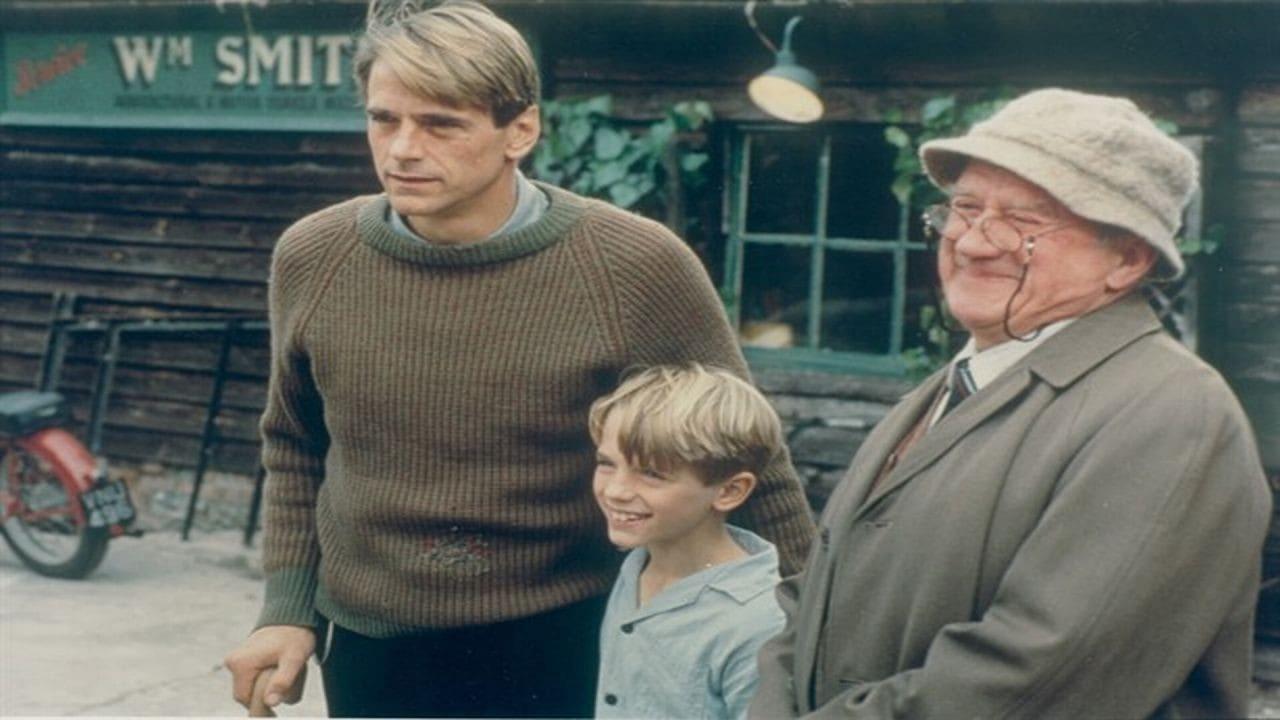
Tonight's pick
Danny the Champion of the World
1989 · 99 min · ★ 6.1
Somewhere in England, in the Autumn of 1955, a widowed father and his son live an idyllic life together. Only their gas station happens to sit on a piece of land that a local developer wants to buy. And when he won't take no for an answer,…
Cinefork
169 films in English for the whole household, 1930 to 2025.
Top rated
View all →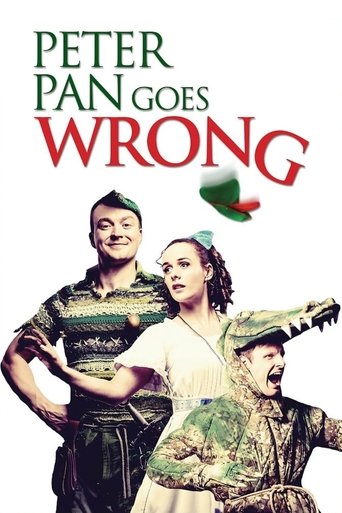 7.5
7.5 7.1
7.1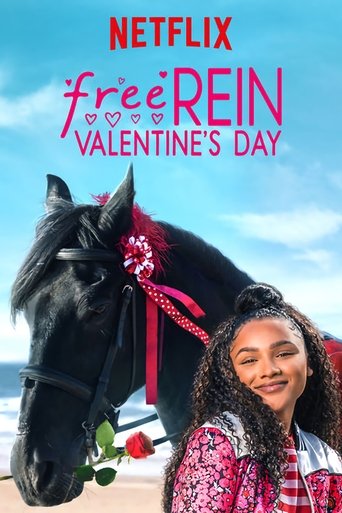 7.5
7.5 6.9
6.9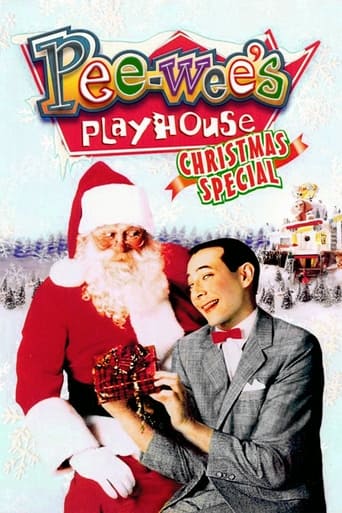 7.2
7.2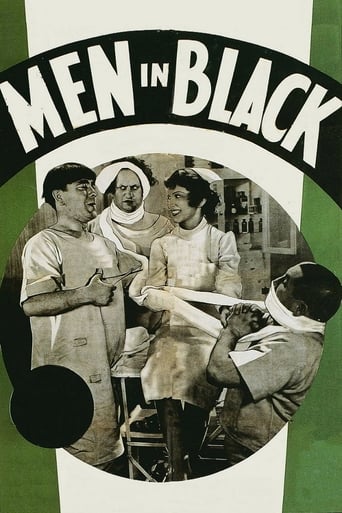 7.3
7.3From the bookshelf
View all →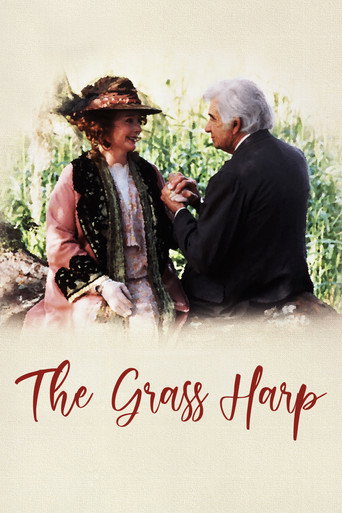 5.9
5.9 6.1
6.1 6.4
6.4 6.0
6.0 5.9
5.9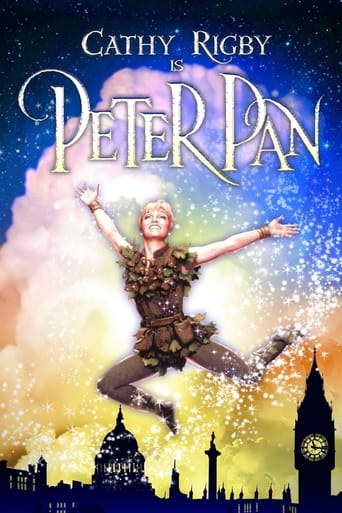 6.6
6.6Robots and time travel
View all →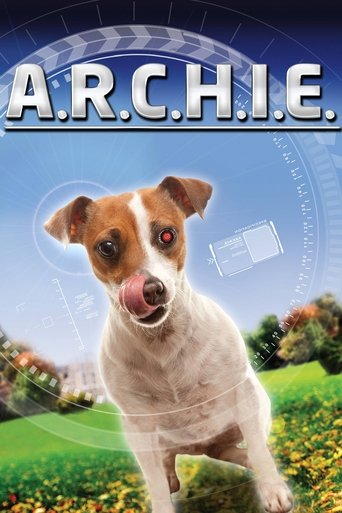 6.0
6.0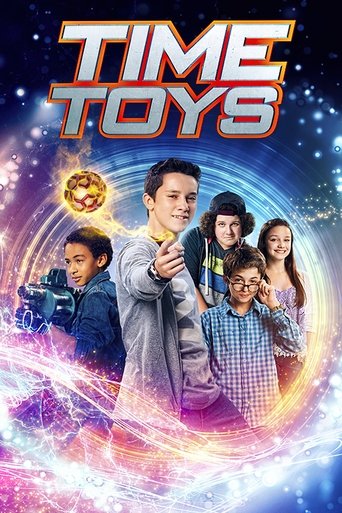 5.9
5.9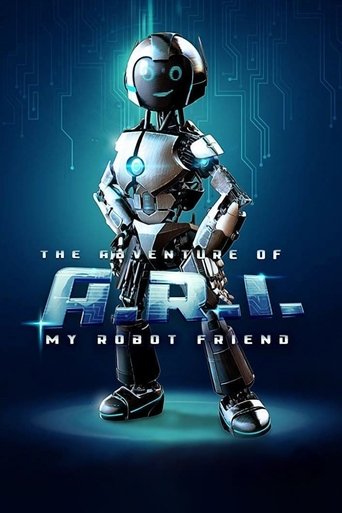 6.9
6.9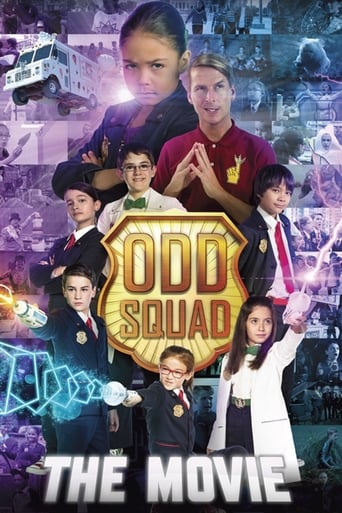 6.1
6.1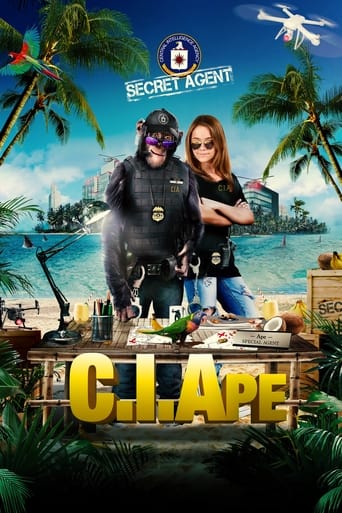 5.9
5.9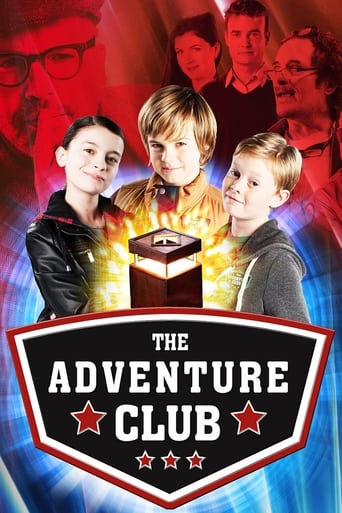 6.2
6.2Music and stage
View all →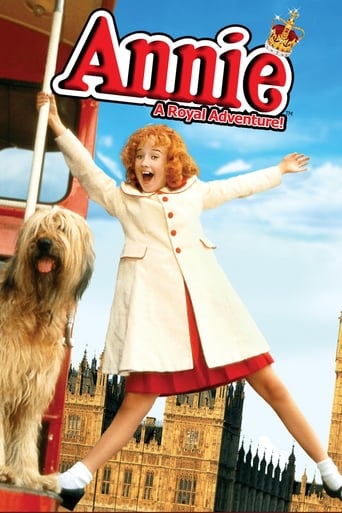 6.0
6.0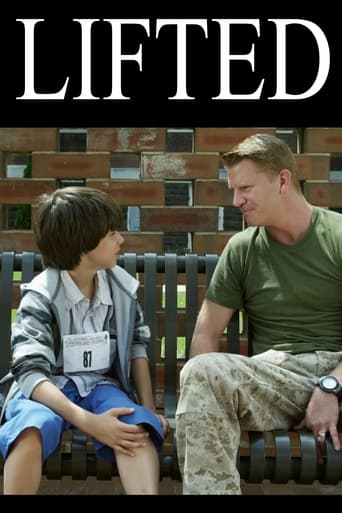 7.1
7.1 7.1
7.1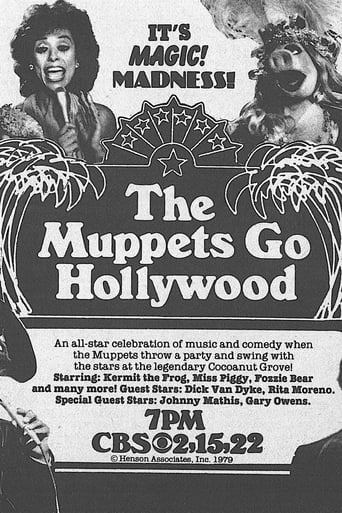 6.2
6.2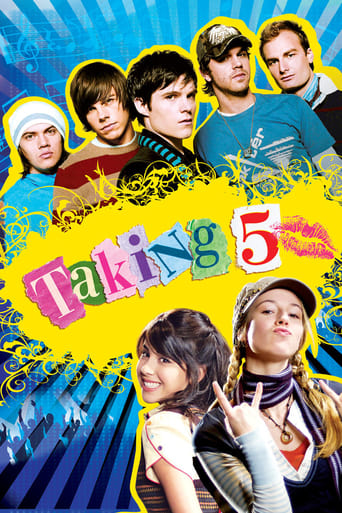 6.1
6.1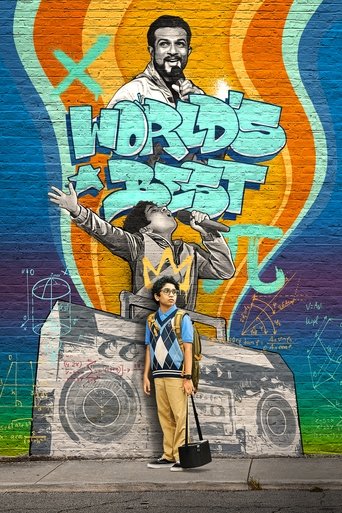 6.2
6.2Sport
View all →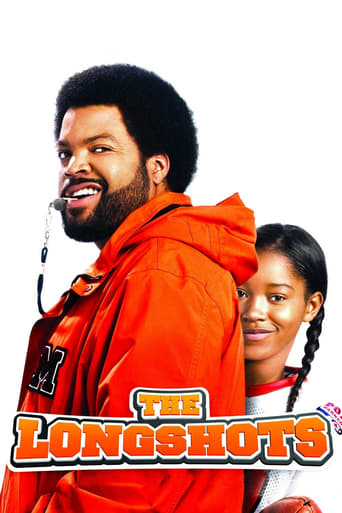 6.5
6.5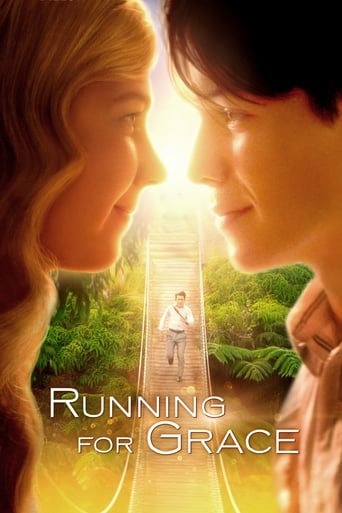 6.5
6.5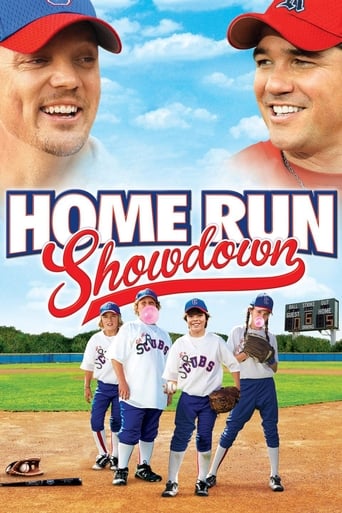 8.9
8.9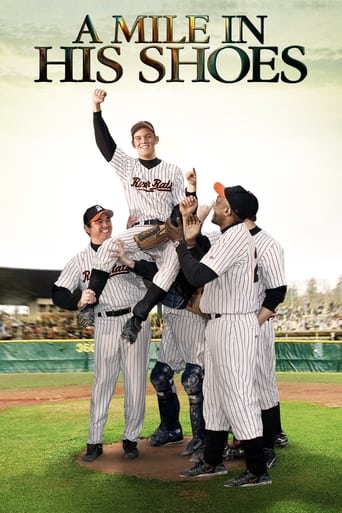 6.2
6.2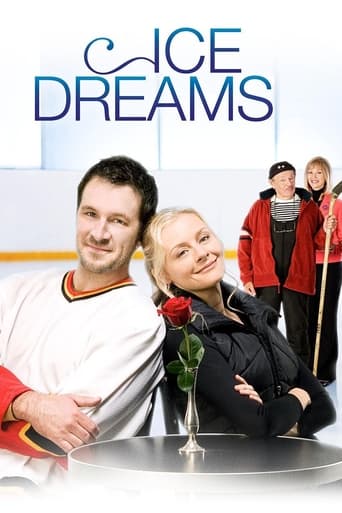 6.4
6.4 6.6
6.6Three Stooges
View all →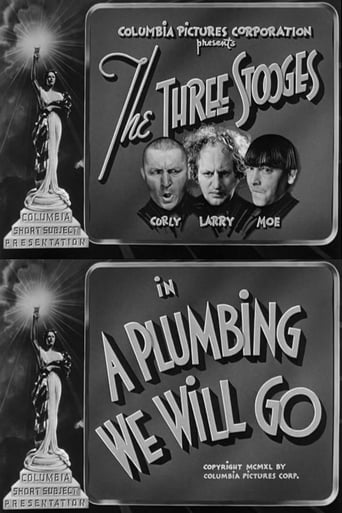 7.1
7.1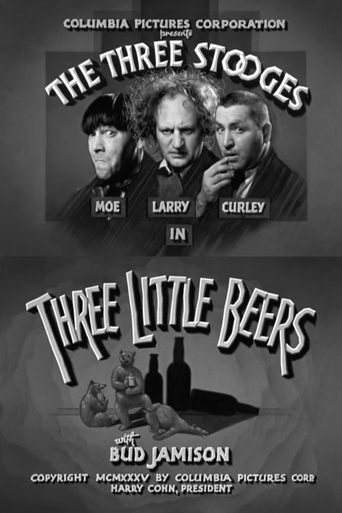 7.1
7.1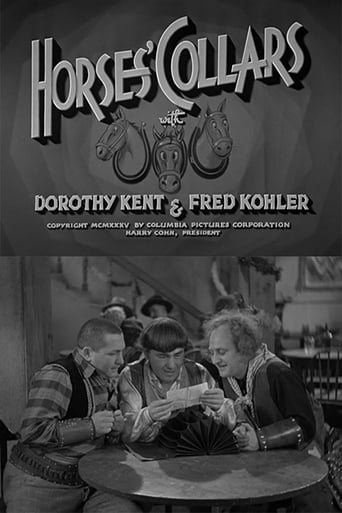 6.4
6.4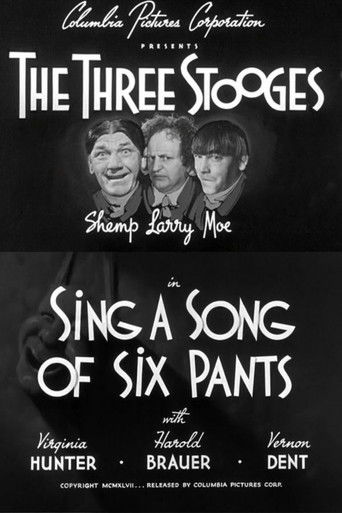 6.2
6.2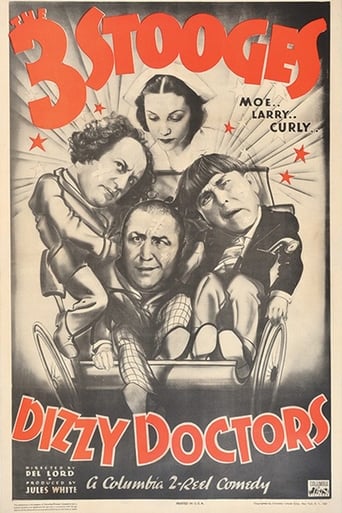 7.4
7.4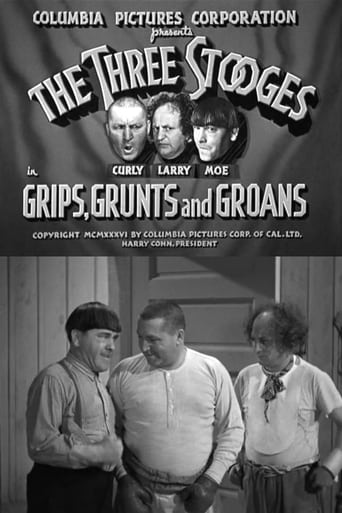 6.2
6.2Classics
View all →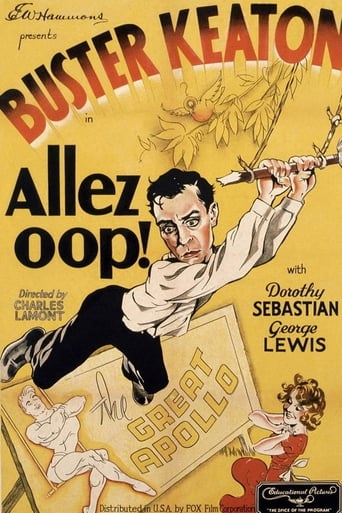 6.4
6.4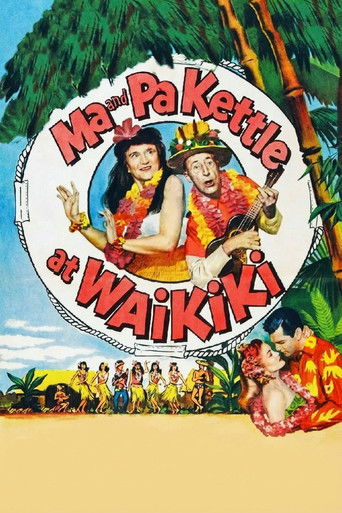 6.8
6.8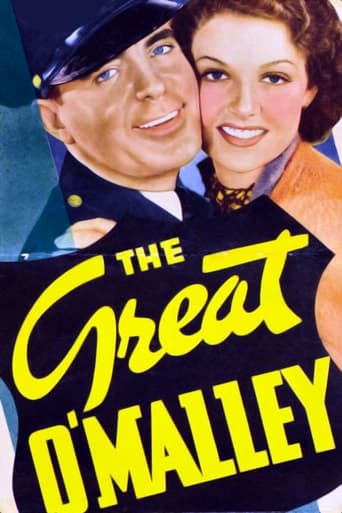 6.9
6.9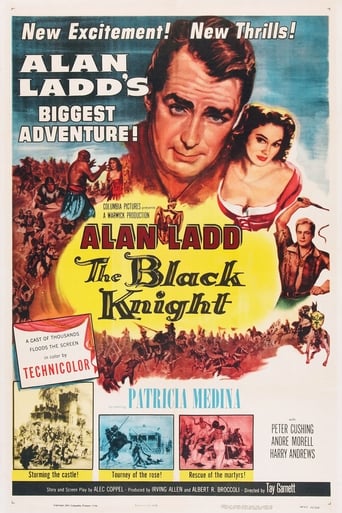 6.4
6.4 7.0
7.0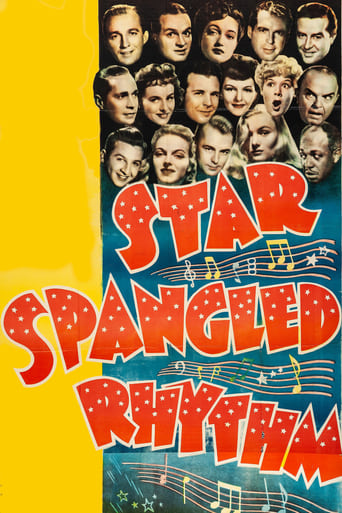 6.2
6.2The Cinefork guide to family film night
Cinefork: family film night from Danny the Champion of the World, Peter Pan Goes Wrong and The Longshots to The Mudlark, A Plumbing We Will Go and My Family and Other Animals
Every household that watches films together knows the Friday question. The youngest wants a robot dog, the eldest wants something clever, a grandparent would like to see a face from the old days, and someone has to be in bed by nine. Cinefork is built for that question. It is a guide to 169 English-language films made between 1930 and 2025, chosen so that every seat on the sofa has something to look forward to. Each film has its own page, its story, its director and cast, and a Watch now button that leads to the official services carrying it in your country.
Every title was read through by hand. Crime stories, horror, films of the battlefield and faith-based dramas were left out, and what remains divides into two broad shelves. One holds live-action family films of the last fifty years: adventures taken from much-loved books, tales of robots and gadgets, true stories from sport, musicals and stage shows, and stories about animals. The other holds the studio era: forty features from 1934 to 1968 and twenty-eight two-reel comedies by the Three Stooges, whose slapstick still reduces eight-year-olds to helpless laughter.
What follows is a parent's tour of both shelves. It begins with three safe choices for a first film night, moves through the lists one by one, and ends with a rough guide to ages, the search bar and My List. Any title in the text can be pressed to open its page.
What Cinefork offers
Cinefork is a viewing guide. Each of its 169 film pages carries a poster, a still where one exists, the story in a paragraph, the year, the running time, the director and the principal cast. Beneath them sits one button, Watch now, which opens JustWatch for the country you select and shows the subscription, rental, purchase and free services that carry the film there. The guide itself holds pages of information, and the playing of every film happens on those official services.
The films spread across nine decades. Fifty-one were made before 1950 and seventeen in the fifties and sixties; thirty-one date from 1970 to 1999, twenty-seven from 2000 to 2012, and forty-three from 2013 onwards. Ninety-four are comedies or carry comedy within them, sixty-two are dramas and thirty-one are adventures. Twenty-eight come from novels, stories and plays, sixteen involve robots, inventions or travel in time, fourteen concern sport, thirty-one are musical or theatrical, fourteen centre on animals and fourteen belong to Christmas. Twenty-two were made in the United Kingdom.
Length matters on a school night, so it is worth knowing that forty-nine of the titles run fifty minutes or less. These are the Stooges comedies, a handful of classic short subjects, and television specials with the Muppets, Pee-wee Herman and Elmo. They have a list of their own, and they are useful as a first course before a feature or as the whole programme when time is short.
The home page opens with a question and a large search bar. Under it, pill links lead to the most used lists. A wide card presents tonight's pick, and rows of six posters follow: the top rated films, the bookshelf, robots and time travel, music and stage, sport, the Three Stooges and the classics.
A first film night
Three films make reliable first choices, one for each kind of evening. The first is Danny the Champion of the World, made in 1989 from Roald Dahl's novel. In the England of 1955, Danny lives with his widowed father in a gypsy caravan behind a small filling station. A wealthy neighbour, Victor Hazell, wants their land for his pheasant shoot, and Danny discovers that his gentle father has a secret hobby that might put the great man in his place. Jeremy Irons plays the father and his own son Samuel plays Danny, which gives their scenes an ease that acting alone could hardly supply; Robbie Coltrane is the blustering Hazell. It is a film about a boy's pride in his father, and it suits anyone from eight to eighty.
The second is Peter Pan Goes Wrong, recorded for the BBC in 2016. The amateur Cornley Polytechnic Drama Society attempts J.M. Barrie's play, and everything that can collapse, jam, catch or swing the wrong way does so, while the cast carries on with heroic determination. It comes from Mischief Theatre, the company behind The Play That Goes Wrong, with David Suchet as a narrator who suffers along with everyone else. At sixty-five minutes it is the surest laugh on Cinefork for mixed ages.
The third is a taste of the old days: A Plumbing We Will Go, from 1940, widely held to be the best of the Three Stooges shorts. On the run from a policeman, Moe, Larry and Curly pose as plumbers at a grand house and set about fixing a small leak. Curly builds himself a cage of pipes in the bathroom, Larry digs up the lawn, and water ends up coming out of the light fittings and the brand-new television set. It lasts seventeen minutes and children ask for it again at once.
Each of the three points onward: Danny to the rest of the bookshelf, Cornley to the music and stage list, and the plumbers to twenty-seven more adventures in incompetence.
From the bookshelf
Twenty-eight films began life on the page, and the bookshelf guide arranges them. British children's literature supplies several. The Wind in the Willows, a 2006 television film, casts Matt Lucas as the boastful Mr Toad, Mark Gatiss as Ratty, Lee Ingleby as Mole and Bob Hoskins as gruff old Badger, with real riverbank scenery and the motor car, the caravan and the fight for Toad Hall all present and correct. A Feast at Midnight, from 1994, is set at a boarding school with a very strict health-food regime, where a new boy founds a secret society of midnight cooks; Christopher Lee plays the fearsome Latin master. The Whipping Boy, from Sid Fleischman's prize-winning novel, sends a spoiled prince and the street boy who takes his punishments out into the world together, where each learns the other's trade.
Memoirs make particularly good family films, because the eccentric relatives are real. My Family and Other Animals, from 2005, is Gerald Durrell's account of the five years his family spent on the Greek island of Corfu in the 1930s, with Imelda Staunton as his unflappable mother and a house that gradually fills with scorpions, tortoises, owls and water snakes. Anita and Me, from 2002, written by Meera Syal from her own novel, is the story of Meena, twelve years old in 1972, the daughter of the only Indian family in a Midlands mining village, and her friendship with the boldest girl in the street. Unstrung Heroes, directed by Diane Keaton in 1995, follows a boy who goes to live with his two wildly unconventional uncles, played by Michael Richards and Maury Chaykin.
Truman Capote's Alabama boyhood is the source of two films. A Christmas Memory, from 1997, with Patty Duke, tells of a small boy and his elderly cousin who save their pennies all year to bake fruitcakes for people they admire, the President included. The Grass Harp, from 1996, expands the same world: a boy raised by two sisters, one stern and one dreamy, follows the dreamer up into a tree house when the household quarrels. Piper Laurie, Sissy Spacek, Walter Matthau and Jack Lemmon lead the cast, and the director is Matthau's son Charles.
Two short films come from stories by Ray Bradbury. All Summer in a Day, from 1982, is set on a planet where the sun appears for a few minutes once in nine years, and asks what a class of schoolchildren owes to the one girl who remembers it. The Electric Grandmother, with Maureen Stapleton, delivers a family its ideal grandmother in a packing case. Both run under an hour and both stay in the mind.
Canada's best-loved heroine returns in Anne of Green Gables: The Continuing Story, from 2000, with Megan Follows and Jonathan Crombie, which takes Anne and Gilbert to New York and then to Europe. Courage Mountain, from 1990, continues the story of Heidi as a girl of fourteen at school in Italy, with Leslie Caron as her headmistress. Peter Pan, recorded in 2000, preserves the gymnast Cathy Rigby in the flying part she played on tour for years. And Mr. Willowby's Christmas Tree, from the picture book, is a half-hour Muppet special with Robert Downey Jr. as the gentleman whose tree is a little too tall.
The studio era contributes its own adaptations. The Mudlark, from 1950, is a touching tale of a London orphan who steals into Windsor Castle to see Queen Victoria, with Irene Dunne as the queen and Alec Guinness delivering a celebrated speech as Disraeli. The History of Mr. Polly, from H.G. Wells, stars John Mills as a dreamy draper who walks away from his shop to find a happier life. Three Men in a Boat, from 1956, rows Jerome K. Jerome's three friends and their dog up the Thames in colour. The Adventures of Mark Twain, from 1944, tells the author's own life with Fredric March.
Robots, gadgets and time travel
Sixteen films delight in inventions, and the robots guide lists them. The robot companion is a favourite. In A.R.C.H.I.E., from 2016, a fifteen-year-old who has moved to a new town befriends a mechanical dog with super strength, x-ray vision and the voice of Michael J. Fox. In The Adventures of RoboRex, a robot dog arrives from the future in a boy's back garden and enlists him and his golden retriever on a mission. The Adventure of A.R.I.: My Robot Friend has a teenager helping a friendly machine find its way home.
Gadgets cause cheerful chaos in Time Toys, in which a group of schoolchildren find a chest of toys from the future, and in Blurt!, a Nickelodeon comedy in which a boy tries on a pair of mysterious glasses at the mall and finds himself saying every thought aloud. Odd Squad: The Movie brings the young agents of the mathematics-based television series to the rescue when a rival team starts hiding problems instead of solving them, and C.I.Ape gives the intelligence service its first chimpanzee operative. The Adventure Club and K-9 Adventures: Legend of the Lost Gold are treasure hunts with puzzle boxes and pocket watches.
Two older films look to the sky. Stowaway to the Moon, a television film of 1975 made with the help of the space agency, lets an eleven-year-old hide aboard a lunar mission, with Lloyd Bridges at mission control. The Rocket Man, from 1954, gives a small-town orphan a ray gun that makes people tell the truth. Wish Gone Amiss, from 2007, joins three Disney Channel series in one evening of wishes on a shooting star, with Miley Cyrus and the twins Zack and Cody discovering what life is like when a wish comes true.
Music, circus and the stage
Thirty-one titles sing, dance or tumble, and the music and stage guide sorts them. Live theatre filmed for television is a strength of the list. The Sound of Music Live!, broadcast in Britain in 2015, stages the whole musical across several studios in a single evening, with Kara Tointon as Maria and Julian Ovenden as the Captain. Ratatouille: The TikTok Musical, from 2021, is a happy curiosity: songs written by fans on a video app during the months when theatres were closed were gathered into a one-hour concert for charity, with Tituss Burgess as Remy the rat and Wayne Brady as his father.
The circus appears twice. Cirque du Soleil: Kooza follows an innocent clown through a world of high-wire walkers, contortionists and the Wheel of Death, in a show that returns to the company's roots in acrobatics and clowning. Cirque du Soleil: Toruk - The First Flight is set on the moon of Pandora, long before the events of the film Avatar, with giant puppets and a stage that turns from forest to flood.
Jim Henson's Muppets are here in two specials. The Muppets Go Hollywood, from 1979, is Kermit's party at the Cocoanut Grove to celebrate the first Muppet film, with Dick Van Dyke and Rita Moreno as hosts and half of Hollywood at the tables. Rocky Mountain Holiday with John Denver and the Muppets, from 1983, takes the whole troupe camping in Colorado for songs around the fire. Pee-wee's Playhouse Christmas Special, from 1988, is an hour of cheerful anarchy with a famously long guest list, and Annie: A Royal Adventure sends the orphan to England, where Joan Collins makes a splendid villainess.
Recent films tell stories about young performers. In Spin, from 2021, Rhea, an Indian American teenager who helps to run her family's restaurant, discovers a talent for mixing music as a DJ. In World's Best, a twelve-year-old mathematics champion learns that his late father was a rapper and tries the art himself, with his father appearing in his imagination to coach him. To the Beat! follows twin sisters into a dance contest; Breaking Brooklyn gives two brothers a home with an old tap dancer; Lifted enters a boy in a singing competition while his father is serving overseas; and Anything Is Possible stars the young pianist Ethan Bortnick as a version of himself. Beethoven Lives Upstairs, from 1992, a Canadian film that won an Emmy, sees the composer through the eyes of a ten-year-old whose mother has let him the top floor. And Perfect Harmony, set at a boys' choir school in 1959, shows friendship crossing the lines of the day.
Sport
Fourteen films take place on a field, a rink or a track, and the sport guide introduces them. Three are true stories. The Longshots, from 2008, tells of Jasmine Plummer, who at eleven became the first girl to play quarterback in the Pop Warner football tournament; Keke Palmer plays her and Ice Cube plays the uncle who first puts a ball in her hands. Miracle on Ice, a television film of 1981, made a year after the event, recounts how a team of American college players beat the mighty Soviet side at the Lake Placid Olympics, with Karl Malden as the coach Herb Brooks. Running for Grace, from 2018, is set among the coffee farms of Hawaii in the 1920s, where an orphan boy becomes the village doctor's runner.
Baseball has three films. Tiger Town, from 1983, the first film made for the Disney Channel, stars Roy Scheider as a fading Detroit Tigers outfielder and Justin Henry as the boy who believes that wishing hard enough from the stands will bring him one more good season. Home Run Showdown is a comedy of two junior teams and their coaches, who are brothers. A Mile in His Shoes follows a shy farm boy with a remarkable pitching arm into a minor-league team.
The others range widely. Geordie, a British comedy of 1955, begins with a small Scottish boy who sends away for a body-building course and ends with a giant of a man throwing the hammer at the Melbourne Olympics in his father's kilt; Bill Travers plays him and Alastair Sim the laird. Edge of America, directed by Chris Eyre, is about a new teacher who agrees to coach the girls' basketball team at a reservation school in Utah. Heritage Falls sends three generations of a basketball family on a retreat in the woods, Ice Dreams returns a former skater to the rink as a coach, and Come Fly with Me is set among the pilots of an air-display team. Home in Indiana, from 1944, in Technicolor, is a tale of a boy and a blind filly in the world of harness racing.
Animal stories
Fourteen films have an animal at the centre, and the animals guide lists them. The most remarkable is true. A Bear Named Winnie, from 2004, tells how a Canadian army veterinarian on his way to Europe in 1914 bought an orphaned bear cub at a railway station, named her after his home city of Winnipeg, and eventually left her in the care of London Zoo, where a small boy named Christopher Robin Milne came to visit. Michael Fassbender plays the officer, in one of his first leading parts.
Dogs lead First Dog, in which a foster boy finds that the stray who has adopted him belongs at the White House and sets out to take him home; Where The Red Fern Grows Part 2, which gives a returning soldier two hound puppies to raise; and Puppy Swap: Love Unleashed, in which two puppies scheme to reunite their owners. Horses carry A Gift Horse and A Horse Story, and a county-fair trotting race decides Ma and Pa Kettle at the Fair. Even Free Rein: Valentine's Day, a special from the series about a riding stable on an English island, ends with a horse to the rescue.
The Three Stooges
Twenty-eight short comedies star the Three Stooges, and the Three Stooges guide suggests where to begin. Moe Howard, with his pudding-bowl haircut and short temper; Larry Fine, with his frizz of hair and his violin; and Moe's brother Curly, with his shaven head, his high voice and his gift for spinning on the floor like a top, made nearly a hundred two-reelers together at Columbia between 1934 and 1946. Each lasts about seventeen minutes, each sets the three loose in a trade they know little about, and each is built from slaps, pokes and pratfalls timed like music. The sound effects, a plucked string for an eye poke and a kettledrum for a blow to the stomach, are half the joke, and children understand at once that it is all pretend.
The early shorts are among the best. Men in Black, from 1934, makes the boys hospital interns, summoned over the loudspeaker as Doctor Howard, Doctor Fine and Doctor Howard; it is the only Stooges film to have been nominated for an Academy Award. Pop Goes the Easel hides them in an art school and ends in the first of their great clay fights. Three Little Beers sets them loose on a golf course with a lorry-load of barrels, and Horses' Collars sends them out west as detectives, with Curly driven wild by the sight of a mouse and calmed only by cheese.
From 1936 to 1938 the team was at full strength. Ants in the Pantry makes them pest controllers who bring their own pests. Slippery Silks puts them in charge of a dress shop and ends with cream puffs in the air. In Dizzy Doctors they sell a patent medicine called Brighto through a hospital; in Grips, Grunts and Groans Curly must take a wrestler's place in the ring; in Cash and Carry they dig for treasure in a cellar to help a boy who needs an operation, and reach the vault of the United States Treasury. Playing the Ponies gives them a racehorse who runs like the wind when fed chilli peppers, The Sitter Downers has them build a prefabricated house after losing the plans, Termites of 1938 sends three pest controllers to a society party by mistake, Tassels in the Air makes Moe a famous interior decorator, and Healthy, Wealthy and Dumb lets Curly win a radio contest and move into a grand hotel.
The years around 1940 produced the classics. Beside A Plumbing We Will Go stand How High Is Up?, in which the boys talk their way into jobs as riveters on the ninety-seventh floor; An Ache in Every Stake, in which three icemen must carry a block up an immense flight of steps before it melts, and then cook a birthday dinner; Oily to Bed, Oily to Rise, in which they strike oil for a kindly widow; A Ducking They Did Go; Three Sappy People; Cookoo Cavaliers; All the World's a Stooge; Some More of Samoa; Loco Boy Makes Good, with its nightclub act; Even as IOU; and Crash Goes the Hash, in which three reporters pose as a cook and two butlers.
When illness ended Curly's career, his brother Shemp, who had been one of the original trio on the stage, came back. He is seen in Sing a Song of Six Pants, from 1947, in which the boys run a tailor's shop, and in Spooks!, from 1953, which was made to be shown in 3-D and throws everything it can at the camera. A good first programme for a child is three shorts in a row: the plumbers, the icemen and the doctors. After that the list will look after itself.
Other short films
The short films guide covers the forty-nine titles of fifty minutes or less. Beside the Stooges stand a few studio-era shorts of real charm. Allez Oop, from 1934, stars Buster Keaton as a watch repairer who takes up the trapeze to impress a customer. Our Gang Follies of 1938 is a miniature musical in which Alfalfa dreams of giving up crooning for the opera. Pirate Party on Catalina Isle, in early Technicolor, is a variety show with film stars of 1935 in the audience, and Movie Pests, nominated for an Academy Award, is a ten-minute catalogue of the people one would rather sit far away from at the cinema. From Britain, Wendy Toye's On the Twelfth Day..., from 1955, shows an Edwardian lady's tidy house filling up with partridges, drummers and leaping lords as her true love's presents arrive.
Television specials fill out the list: the two Muppet hours, Elmo and Mark Rober's Merry Giftmas, in which a former space engineer helps the Sesame Street friends build presents, Mighty Morphin Power Rangers: Alpha's Magical Christmas, a half hour of carols, and the two Mary-Kate and Ashley party tapes of the nineties, You're Invited to Mary-Kate & Ashley's Sleepover Party and You're Invited to Mary-Kate and Ashley's Mall Party.
The classics shelf
Forty features come from the studio era, and the classics guide divides them. Adventure first. The Corsican Brothers, from 1941, gives Douglas Fairbanks Jr. the double part of twins parted at birth, one raised a gentleman in Paris and one in the hills of Corsica, who feel each other's joys and pains across any distance. The Black Knight, from 1954, makes Alan Ladd a swordsmith at King Arthur's court who rides in disguise. Ladd also stars in Two Years Before the Mast, as a shipowner's idle son who learns the sea the hard way. Zorro, the Avenger, from 1959, is assembled from the Walt Disney television series with Guy Williams as the masked rider of old California, and Double Crossbones is a pirate comedy with Donald O'Connor. The Three Musketeers of 1939 is a musical send-up with Don Ameche as D'Artagnan and the Ritz Brothers as three cooks mistaken for the famous swordsmen.
The family series of the period were television before television. The Courtship of Andy Hardy, from 1942, is one of the sixteen Hardy pictures, with Mickey Rooney as the judge's irrepressible son and the young Donna Reed as a shy classmate. Young Dr. Kildare, from 1938, opens MGM's hospital series, with Lew Ayres as the new intern and Lionel Barrymore as the gruff Dr Gillespie who tests him. Blondie Takes a Vacation sends the Bumsteads to run a mountain hotel, and the Kettles of Ma and Pa Kettle at the Fair and Ma and Pa Kettle at Waikiki are farm comedy at its broadest. Bowery to Bagdad gives the Bowery Boys a genie.
Several classics have children at their heart. Miss Annie Rooney, from 1942, was Shirley Temple's step into her teens, as a girl from a poor family invited to a rich boy's birthday party. Driftwood, from 1947, and The Green Promise, from 1949, both feature the young Natalie Wood; in the first she is an orphan with a collie who helps a country doctor, and in the second a farmer's daughter who joins the 4-H club against her stubborn father's wishes. The Great O'Malley, from 1937, softens an over-zealous policeman, played by Pat O'Brien, through his friendship with a small girl, with Humphrey Bogart as her hard-pressed father. Gallant Journey is the life of John Montgomery, who flew a glider in California in 1883, with Glenn Ford.
The grown-up comedies of the shelf are gentle enough for older children. Lucky Partners, from 1940, pairs Ronald Colman and Ginger Rogers as strangers who share a sweepstake ticket. The Four Poster, from 1952, follows one marriage, played by the real-life couple Rex Harrison and Lilli Palmer, through thirty-five years in a single bedroom, with witty cartoon interludes between the scenes. Letter of Introduction, from 1938, features the ventriloquist Edgar Bergen and his sharp-tongued dummy Charlie McCarthy. Star Spangled Rhythm and Paramount on Parade are revues in which a whole studio's stars take turns, and The Vagabond King is a costume operetta.
British films
Twenty-two films come from the United Kingdom, and the British guide lists them. Besides those already named there are the cheerful star vehicles of the thirties: Sing As We Go, from 1934, written by J.B. Priestley for Gracie Fields, in which a mill girl out of work cycles to Blackpool and tries every job on the seafront, and It's in the Air, from 1938, with George Formby and his ukulele in the Royal Air Force by mistake. The fifties contribute Touch and Go, an Ealing comedy in which a furniture designer, played by Jack Hawkins, decides to move his family to Australia and finds that each of them has a reason to stay; Dentist in the Chair, with Bob Monkhouse; and We Joined the Navy, with Kenneth More as an officer too honest for his own good. From recent years come Adventure Boyz, in which two brothers on BMX bikes help their father, and the television films of the bookshelf.
Christmas
Fourteen titles belong to December, and the Christmas guide lists them. For the youngest there are the specials. For the whole family there is The Santa Trap, from 2002, in which a girl determined to prove that Santa exists sets a trap on Christmas Eve and catches him, to the alarm of her parents, played by Shelley Long and Robert Hays. The Christmas Switch lets a tired Santa exchange places with a younger man for a few days. Christmas Unfiltered, from 2022, grants a teenager's wish to be listened to by making her unable to say anything but the plain truth. An American Girl Story: Maryellen 1955 - Extraordinary Christmas is set in Florida, where a middle child decides to do something for the children in hospital. For the grown-ups there are three gentle romances, A Christmas Wish, Trading Christmas, in which a widow and a professor exchange houses for the holidays, and Christmas Joy, set around a small town's cookie contest.
For tweens and teens
Older children have their own corner, and the tweens and teens guide points the way. Several films come straight from favourite television series: Zoey 101: Spring Break-Up, Ned's Declassified School Survival Guide: Field Trips, Permission Slips, Signs, and Weasels, whose title is nearly as long as the film, Chicken Girls: The Movie, in which a group of friends bands together to save the school dance, and Taking 5, in which two friends go to great lengths to bring a boy band to their school. The American Girl films set stories in particular years: Molly: An American Girl on the Home Front in 1944, when an English girl comes to stay with Molly's family, and An American Girl Story: Summer Camp, Friends For Life in the present, at a camp for young inventors.
Others are simply good stories about growing up. Team Marco, from 2020, takes a boy of twelve away from his tablet when his Italian grandfather moves in and teaches him bocce, the old game of bowls. Uncle Nino, from 2003, with Joe Mantegna, brings a great-uncle from Italy to a busy Chicago household that has forgotten how to sit down to dinner together. Max Dugan Returns, written by Neil Simon in 1983, gives a hard-pressed schoolteacher, played by Marsha Mason, a father who reappears after many years with a suitcase full of surprises; the young Matthew Broderick, in his first film, plays her son. A Great Wall, from 1986, the first American feature filmed in the People's Republic of China, follows a Chinese American family from California on a summer visit to relatives in Beijing. The King and Queen of Moonlight Bay, with Kristen Bell, sends a girl to spend the summer before college with the father she hardly knows. The Letter Writer begins with a mysterious letter of encouragement, The Buttercream Gang is about a gang that does good deeds, and Branching Out and Three Wisest Men are family comedies of the present day.
Why old and new sit together
Most family catalogues stop at films made in the last twenty years. Cinefork deliberately reaches back to 1930, and there is a reason. Children have fewer fixed ideas about what a film should look like than adults assume. A seven-year-old who has just watched a robot dog will watch three men in bowl haircuts flooding a mansion with exactly the same attention, because both are about the pleasure of things going gloriously wrong. A ten-year-old who enjoyed a football story from 2008 will follow a Scottish hammer-thrower from 1955 for the same reason: someone small sets out to become strong.
The old films also bring something the new ones seldom have, which is time to look. Scenes run longer, faces are held, and a joke is allowed to build. The Mudlark spends several quiet minutes on a boy creeping through the corridors of a castle, and the tension is all the better for it. The Four Poster tells a whole marriage through one room. Miss Annie Rooney lets a party dress matter as much as any treasure. Watching such films with children is a gentle way of teaching patience, and of showing them that their grandparents were once the audience these stories were made for.
The newer films return the favour by speaking in a voice the children already know. Spin and World's Best are about families whose roots lie in India, Edge of America about a Navajo community, A Great Wall about a family between California and Beijing, and Anita and Me about growing up Punjabi in the English Midlands. The households on screen have widened since the days of Andy Hardy, and a catalogue that holds both lets a family talk about what has changed and what has stayed the same: the embarrassing parent, the loyal friend, the first day at a new school.
For that reason the lists on Cinefork cut across the decades wherever they can. The bookshelf runs from The Adventures of Mark Twain in 1944 to The Wind in the Willows in 2006. Sport runs from Home in Indiana to Come Fly with Me. Music and stage runs from Paramount on Parade, in which the stars of 1930 take turns before the microphone, to a musical written by strangers on their telephones in 2021. Even the animals list has a county-fair trotter from 1952 beside a pair of scheming puppies from 2019. Browsing them is a small history of how families have been entertained.
A practical tip follows from this. When a child finds a favourite, look for its older or younger cousin in the same list and offer it the following week. A child who loved First Dog may be ready for Driftwood, with its collie and its country doctor; one who laughed at Blurt! will enjoy Bowery to Bagdad; and a fan of the Stooges can be introduced to Buster Keaton through Allez Oop. Film night becomes a conversation that carries on from one Friday to the next.
Above all, family film night should be easy. Pick a list, let the youngest press the first poster, and keep the popcorn within reach of everyone. If a film misses, there are a hundred and sixty-eight others, and the next Friday is only a week away.
Choosing by age
Parents know their own children best, but a rough map helps, and the choosing by age page sets one out. For the very young, from about five, the safest choices are the specials with familiar friends: The Wiggles Movie, the Muppets, Elmo, and Mr. Willowby's Christmas Tree. From about eight, the robot adventures, the animal stories and the Three Stooges come into their own, along with Odd Squad: The Movie, First Dog and The Santa Trap. From about eleven, the films taken from books reward attention: Danny the Champion of the World, Anita and Me, My Family and Other Animals and The Whipping Boy, and so do the sporting true stories.
A few films touch on harder subjects with care and are best watched together. Unstrung Heroes and The Electric Grandmother both concern families in which a mother is ill or has gone. A Bear Named Winnie, Molly: An American Girl on the Home Front and Courage Mountain have wartime settings seen from the home side. Perfect Harmony and Edge of America deal honestly with prejudice and with how people get past it. American Folk, from 2018, in which two musicians drive from California to New York in the days after the events of September 2001, is a quiet film about the kindness of strangers, suitable for teenagers and their parents. Each film page gives the story in a paragraph, which is usually enough to judge.
The old films raise a different question, which is whether children will sit through black and white. In practice they do, if the film moves. The Stooges move constantly. The Corsican Brothers has duels, The Black Knight has jousting in colour, and The Mudlark has a boy of ten at the centre of every scene. Starting with a short, then a swashbuckler, is a method that rarely fails.
Planning a film night
A little planning makes the evening. Decide the length first. On a school night, a short film and a half-hour special come to under an hour: A Plumbing We Will Go with All Summer in a Day, say, or Allez Oop with The Muppets Go Hollywood. On a Friday, a feature of about ninety minutes leaves time for talk afterwards. On a wet Sunday, try a double bill across the decades, an old film and a new one on the same subject: Geordie with The Longshots, The Mudlark with Annie: A Royal Adventure, Stowaway to the Moon with A.R.C.H.I.E., or Sing As We Go with Spin.
Let everyone choose in turn. My List makes this simple: each member of the household adds two or three titles during the week, and on the night the shortlist is already there to vote on. Grandparents are often the best guides to the classics shelf, and children to the newest titles, and a household that swaps recommendations in both directions soon finds its tastes have widened.
Search, lists and My List
The large search bar on the home page answers as you type and sets aside filler words such as watch, online and free, so a few letters of a title are enough; a smaller search field sits in the header of every other page. The finding titles page describes the search, the lists and the A to Z, which sets out all 169 films in alphabetical order.
Twenty lists divide the catalogue. Five follow the calendar, from before 1950 to 2013 onwards. Thirteen follow kind: from the bookshelf, robots and time travel, sport, music and stage, animals, Christmas, the Three Stooges, short films, classics, comedy, drama, adventure and British films. Top rated holds the sixty films that viewers have scored highest, and All titles holds everything. A film may sit in several lists at once, so Peter Pan Goes Wrong is found under music and stage, comedy, British films and 2013 onwards alike.
My List is the family's shortlist. Each film page carries an Add to My List button, and the white My List button in the header opens the shortlist as a grid of posters. It stays in the browser on the device you are using and is ready for the next film night, and the list page can save it as a file to load elsewhere. The My List page gives the steps, and the how to watch page explains the path from a title to a service.
A film page on Cinefork is laid out for a quick decision: the still and poster first, then the year, running time and genres, the story in a paragraph, the director and cast, and finally the country selector with its Watch now button. Fifteen countries are offered, and the choice is remembered for the next film.
Questions and answers
Questions
What is Cinefork?
Cinefork is a guide to 169 English-language films for family film night, made between 1930 and 2025, each with its story, cast and a Watch now button to the official services that carry it.
Which film should we watch first?
Start with Danny the Champion of the World, Peter Pan Goes Wrong or the Three Stooges short A Plumbing We Will Go.
Is the catalogue suitable for children?
Yes. Every film was read through by hand, and crime stories, horror, battlefield films and faith-based dramas were left out. The choosing by age page gives a rough guide.
How many Three Stooges films are there?
Twenty-eight short comedies from 1934 to 1953, each about seventeen minutes long, gathered in the Three Stooges list.
Are there short films for school nights?
Yes. Forty-nine titles run fifty minutes or less, and they have a list of their own.
Are the older films in black and white?
Most films before 1950 are in black and white; The Black Knight, Home in Indiana and Three Men in a Boat are in colour.
How does My List work?
Press Add to My List on any film page. The list stays in the browser on the device you are using, and the list page can save it as a file.
Does Cinefork host films or downloads?
Cinefork is a guide only. Every Watch now button opens JustWatch, which lists the official streaming, rental and purchase services for your country.
